

Unlocking Healthcare SEO Services for Maximum Visibility: Proven Strategies for Patient Acquisition
Digital Marketing Strategies for Healthcare Patient Acquisition
This article provides a digital marketing plan for getting new patients to contact your office for hearing healthcare services. Patients are confused when researching hearing aids, audiologists, and hearing tests. Some websites advertise bypassing licensed professionals, recommending only an online hearing test or an audiogram faxed into their office for the purpose of fitting hearing aids or other technology. We know this system does not take the place of a licensed professional but, websites that provide this information are very believable. Practitioners and managers are frustrated and confused by what they should be doing online. Patients continue to find other sources of misinformation before locating an established practice that can help them hear better and get much more out of their hearing healthcare. This article will give each reader a plan for getting results online and attracting new patients to their practice for less money than any other marketing medium available today. Digital marketing for private practice: how to attract new patients, 2019
Proven Strategies for Patient Acquisition
- Content Marketing: Creating valuable, informative content that addresses patient needs can establish authority and trust. This includes blog posts, articles, and patient education materials that resonate with the target audience.
- Local SEO: Optimizing for local search is essential for healthcare providers. This involves ensuring that the practice appears in local search results and on Google Maps, which can drive foot traffic and appointments.
- Patient Testimonials: Leveraging positive patient experiences through testimonials can enhance credibility and encourage new patients to choose a provider. Displaying these testimonials prominently on websites can significantly impact decision-making.
Best Practices for Optimizing Healthcare Websites
Optimizing Healthcare Websites for Google SERP Rankings
The Internet is a widely used source of information for patients searching for medical/health care information. While many studies have assessed existing medical/health care information on the Internet, relatively few have examined methods for design and delivery of such websites, particularly those aimed at the general public. Objective:This study describes a method of evaluating material for new medical/health care websites, or for assessing those already in existence, which is correlated with higher rankings on Google’s Search Engine Results Pages (SERPs).
A method for the design and development of medical or health care information websites to optimize search engine results page rankings on Google, S Dunne, 2013
- User-Friendly Design: A clean, intuitive design helps visitors navigate the site easily, improving engagement and reducing bounce rates.
- HIPAA Compliance: Ensuring that the website adheres to HIPAA regulations is crucial for protecting patient information and maintaining trust.
- Quality Content Updates: Regularly updating content keeps the website relevant and can improve search engine rankings. This includes adding new blog posts, updating service descriptions, and ensuring that contact information is current.
Role of SEO in Enhancing Patient Engagement

EAV Table: SEO Strategies and Patient Engagement
| Strategy | Mechanism | Benefit |
|---|---|---|
| Content Marketing | Provides valuable information | Establishes authority and trust |
| Local SEO | Increases visibility in local searches | Drives foot traffic and appointments |
| Patient Testimonials | Showcases positive experiences | Enhances credibility and encourages new patients |
What Are Healthcare SEO Services and Why Are They Essential?
- Definition of Healthcare SEO: Healthcare SEO involves optimizing a healthcare provider's online presence to ensure they appear prominently in search engine results when potential patients search for relevant services.
- Statistics on Patient Search Behavior: Research indicates that over 77% of patients use search engines to find healthcare providers, highlighting the importance of a strong online presence.
- Impact on Patient Acquisition: Effective SEO strategies can lead to increased website traffic, higher patient inquiries, and ultimately, more appointments.
Defining Healthcare SEO and Its Role in Digital Marketing
How SEO Enhances Online Visibility for Healthcare Providers
Which Medical SEO Strategies Drive Patient Acquisition Effectively?
- Engaging Content Marketing: Producing high-quality, informative content that addresses patient needs can attract and retain visitors.
- Utilizing Online Reviews: Encouraging satisfied patients to leave positive reviews can enhance credibility and attract new patients.
- Local SEO Optimization: Ensuring that the practice is listed on local directories and Google My Business can significantly improve visibility in local searches.
Implementing Local SEO for Healthcare Organizations
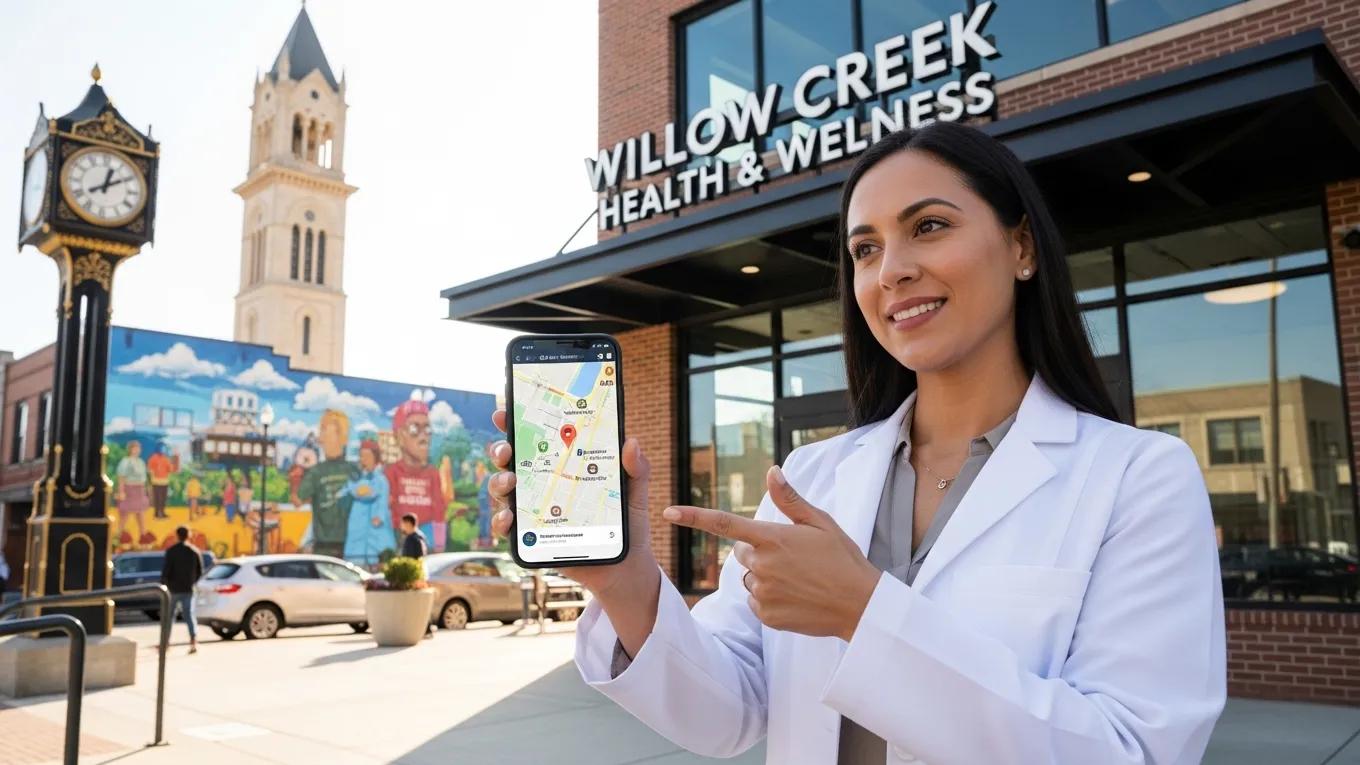
- Creating Google My Business Listings: This allows healthcare providers to appear in local search results and on Google Maps, making it easier for patients to find them.
- Optimizing for Local Keywords: Incorporating local keywords into website content can improve rankings in local search results.
- Encouraging Patient Reviews: Positive reviews on local listings can enhance credibility and attract new patients.
Local SEO for Medical Practices: Boost Visibility & Patient Acquisition
This chapter provides a comprehensive guide to local SEO for medical practices, emphasizing how healthcare providers can improve online visibility and attract more patients through strategic optimization. It explains key concepts such as keyword targeting, metadata use, structured data tags, and directory listings. The chapter also introduces emerging challenges in AI-powered search results and offers practical tools, including a physician SEO readiness checklist, to help practices adapt. Real-world examples and step-by-step instructions ensure that providers without technical backgrounds can take actionable steps to enhance their digital presence and remain competitive in a rapidly evolving search landscape.
Mastering Local SEO for Medical Practices, 2025
Optimizing Healthcare Content Marketing for Engagement
- Using Patient Success Stories: Sharing testimonials and success stories can resonate with potential patients and encourage them to seek care.
- Creating Relatable Content: Developing content that addresses common health concerns and questions can attract visitors and establish authority.
How Can Hospitals Improve Their SEO Performance in 2026?
- Voice Search Optimization: With the rise of voice-activated devices, optimizing for voice search can help hospitals capture a broader audience.
- Website Performance Improvements: Ensuring that websites load quickly and are mobile-friendly is essential for retaining visitors and improving search rankings.
Technical SEO Best Practices Tailored for Healthcare
- Structured Data Implementation: Using schema markup can help search engines understand the content of healthcare websites, improving visibility.
- Website Speed Optimization: Ensuring that websites load quickly is essential for user experience and search rankings.
Leveraging Analytics and Reporting to Measure SEO Success
- Tracking Key Metrics: Monitoring website traffic, bounce rates, and conversion rates can provide insights into the effectiveness of SEO efforts.
- Using Data for Optimization: Analyzing data can help healthcare providers identify areas for improvement and refine their SEO strategies.
What Are the Benefits of Partnering with Lenz Marketing for Healthcare SEO?
- Customized SEO Solutions: Lenz Marketing provides tailored SEO strategies based on the unique needs of healthcare providers, ensuring optimal results.
- Industry-Specific Techniques: With a deep understanding of the healthcare landscape, Lenz Marketing employs strategies that resonate with patients and comply with regulations.
- Data-Driven Results: By utilizing analytics and reporting, Lenz Marketing can demonstrate measurable outcomes and improvements in patient acquisition.